



The cyclone has become the deadliest weather-related disaster since the tsunami in 2004. Some 639 people died, 193 were reported missing and more than 85,000 fled their homes and moved to shelters, according to the country’s Disaster Management Centre.
19 December 2025
Cyclone Ditwah wreaks havoc in Sri Lanka
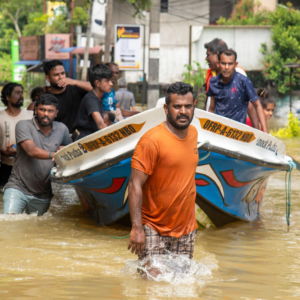
Cyclone Ditwah caused severe flooding in Sri Lanka’s capital, Colombo.
Early in the morning on 28 November, tropical cyclone Ditwah hitthe eastern coast of Sri Lanka.
What followed was a national emergency, affecting more than 1.7 million people across the island. By the following day, most districts were underwater and communications were cut off.
Harbingers’ Weekly Brief
Subscribe to the Harbingers’ Weekly Brief, a newsletter written by the editorial board of Harbingers’ Magazine, the world’s youngest newsroom, delivered to your inbox every Monday morning.
![author_bio]()
![author_bio]()
![author_bio]()


More than 565 houses were completely destroyed and 20,271 homes partially destroyed. Most of the impact was reported in southern and central districts such as Kandy, Badulla, Nuwara Eliya, Kurunegala and Matale.
Sri Lanka received an estimated amount of 200 mmof rainfall in just one day, with some regions reaching 540 mm.
However due to the country’s relatively small catchment areas (due to its small river basins) and the soil being saturated by monsoons, the sudden rainfall resulted in catastrophic flooding.
The hilly regions have been impacted by around 1,200 landslides so far, and with the north-east monsoon in December, many worry that the impact of the cyclone will only get worse. Flooding increases the risk of waterborne diseases and infections.

The cyclone’s formation was detected two weeks earlier. However, allegations of incompetenceare being aimed at the Sri Lankan government for failing to warn citizens in time for them to evacuate. The government’s meteorological department issued a general flood and rain warning on 24 November, but nothing urgent.
Floods and heavy rains are a regular occurrenceduring the monsoon season. However, when cyclone Ditwah brought rain heavier than the country has ever experienced in recent years, many people were caught by surprise. Also, most Tamil-speaking regions reportedly received warnings in Sinhala and English rather than Tamil, leading to a key information gap.
Despite the hardships, the cyclone has triggered numerous flood relief campaigns and volunteer projects,from both governmental and private organisations. Humanitarian aid was receivedfrom India, Pakistan, Nepal, the US, Russia and other countries.
School and youth-led organisations have also contributed, bringing aid and supplies to those who were displaced. The swarm of solidarity even extended to rescue missions by fishermen, who brought their boats into the urban floodwaters to rescue people who were stranded.
Help is greatly needed in these dire times, and by donating to projects such the official government Rebuilding Sri Lanka, you too can help the country on its journey to recovery.


Edited by:

© 2026 The Oxford School for the Future