Harbingers’ Magazine is a weekly online current affairs magazine written and edited by teenagers worldwide.
harbinger | noun
har·bin·ger | \ˈhär-bən-jər\
1. one that initiates a major change: a person or thing that originates or helps open up a new activity, method, or technology; pioneer.
2. something that foreshadows a future event : something that gives an anticipatory sign of what is to come.
We and our partners may store and access personal data such as cookies, device identifiers or other similar technologies on your device and process such data to personalise content and ads, provide social media features and analyse our traffic.
Going to the 2026 film “Wuthering Heights”, I expected to feel unsettled, disturbed and moved by it, much like I did when reading Emily Brontë’s 1847 novel.
Instead, I walked out with a sense of something missing as the movie only touched the surface of the complex and uncomfortable themes that made the book so powerful.
My biggest issue with the movie, directed by Emerald Fennell, is that it simplifies a complex novel into a passionate romance. If you’re looking for a tragic love story with aesthetic suffering, then you will probably like this film.
However, Wuthering Heights is not just a simple love story. It is a novel about generational trauma, cruelty being passed down through the generations, isolation, and the way hurt people hurt others. These themes, if they even appear, are presented briefly and pushed into the background, making the story feel smaller and safer than it initially was.
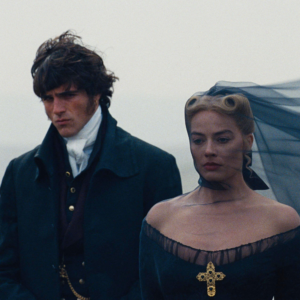
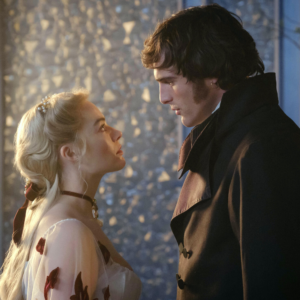
This framing affects how Cathy (Margot Robbie) and Heathcliff (Jacob Elordi) are portrayed. In the movie, their relationship appears as a difficult yet passionate romance between two misunderstood people. When reading the book, however, I found the bond between them far more complex and disturbing.
Do they love each other? Yes. But they also manipulate, abandon and emotionally destroy one another.
Their connection is driven more by mutual obsession than simply affection, and is shaped by pride and bitterness. Fennell softens the initial idea of their relationship, making their suffering easier to watch, but losing much of its meaning along the way.
What’s more, the casting choices make their emotional bond even harder to believe in.
In the book, Heathcliff and Cathy are teenagers, whose immaturity shapes everything they do, and the movie has failed to capture that element.
Cathy, in particular, feels very different from the character in the novel. When watching Margot Robbie, I was always aware I was watching a grown woman rather than a young, reckless girl. I also imagined Cathy as someone Heathcliff could recognise himself in, someone who resembled him: dark hair, dark eyes and restless. Presenting her as a polished, blonde, Hollywood-pretty girl clashes with this idea, shifting away from the initial character of their relationship.
Another part that is missing is the character of Nelly Dean. In the novel, the housekeeper isn’t just a side character, she’s the main narrator. Everything we know is shown through her perspective, which raises questions about the reliability, bias and selectiveness of her storytelling. In the movie, Nelly (Hong Chau) is a background character, and with that any sense of ambiguity is lost. The story feels more straightforward, but also less complex.
Harbingers’ Weekly Brief
Subscribe to the Harbingers’ Weekly Brief, a newsletter written by the editorial board of Harbingers’ Magazine, the world’s youngest newsroom, delivered to your inbox every Monday morning.
Having said that, Emerald Fennell’s approach becomes more understandable when viewed through her stated intentionof adapting the book by how she experienced it at 14, as a sweeping and emotional romance. From this angle the film succeeds. It feels more like her memory of Wuthering Heights rather than a truthful adaptation.
As for the visual aspects of the film, it appears to be very carefully composed, with much attention to the details. The lighting, costumes and landscapes made every frame worthy of a high-end magazine cover. This works both for and against the story. On one hand, it creates a visually interesting and captivating story that is easy to sink into. On the other, it again contradicts the novel’s initial dark and lugubrious vibe.
Ultimately, I think this movie is best approached not as a truthful and accurate representation of Brontë’s Wuthering Heights, but as a romantic interpretation very loosely inspired by it. It is definitely visually appealing and emotionally direct, but compared to the original it feels thematically shallow.
If you’re new to the story and haven’t read the book, you’ll likely enjoy the movie, yet I feel that if you want to have a deeper understanding of Cathy and Heathcliff’s complicated relationship, I would definitely recommend reading the book as well.
🌍 Join the World's Youngest Newsroom—Create a Free Account
Sign up to save your favourite articles, get personalised recommendations, and stay informed about stories that Gen Z worldwide actually care about. Plus, subscribe to our newsletter for the latest stories delivered straight to your inbox. 📲
We use cookies to ensure that we give you the best experience on our website. If you continue to use this site we will assume that you are happy with it.